
Live Bee Removal and Relocation vs Extermination.
Updated: Dec 25, 2025

Las Vegas Homeowner's Guide to Live Bee Removal vs Extermination.
Discovering bees nesting in your Las Vegas home is stressful. Whether they're coming through your water spigot, buzzing inside your walls, or clustering near your doorway, you need a solution fast.
But the decision you make next matters more than you might think, not just for the bees, but for your property, your wallet, and the Las Vegas environment.
This guide will help you understand the critical differences between honey bee relocation and extermination, so you can make an informed decision that protects both your home and our desert ecosystem.
Understanding Your Options: Live Bee Removal vs Extermination
When you discover a bee problem, you essentially have two choices: remove the bees alive and relocate them, or exterminate the colony using pesticides.
While extermination might seem like the faster, simpler solution, the reality is far more complicated, especially in Las Vegas's extreme climate.
What is Live Bee Removal?
Live bee removal (also called bee relocation) involves carefully extracting the entire colony, including the queen, worker bees, honeycomb, and brood, and transporting them to a safer location where they can continue living.
This process should only be performed by professional beekeepers or trained bee removal specialists.
The removal process typically includes:
Locating the exact position of the hive within your structure
Carefully cutting into walls or structures to access the colony
Capturing the queen bee (the most critical step)
Removing all honeycomb, honey, and bees
Cleaning and repairing the affected area
Relocating the colony to an apiary or suitable habitat

What is Bee Extermination?
Bee extermination uses chemical pesticides to kill the entire colony. Pest control companies typically spray insecticides at hive entrances or drill holes into walls to apply poison directly to the nest.
While this kills the bees quickly, it leaves behind significant problems that many Las Vegas homeowners don't discover until summer heat causes disaster.
The True Cost: What Las Vegas Homeowners Need to Know
Price is often the first consideration, but understanding the full cost means looking beyond the initial quote.
Live Bee Removal Costs in Las Vegas
Based on current Las Vegas market research, professional live bee removal typically costs:
Simple swarms: $150-$300 (1-2 hours of work)
Standard cut-outs: $300-$700 (3-5 hours of work)
Complex structural removals: $800-$1,200+ (extensive labor and repairs)
Bee Extermination Costs
Las Vegas pest control companies typically charge:
Initial extermination: $145-$250
Honeycomb removal (often quoted separately): $500+
Total cost: $645-$750 or more
Here's the catch: many exterminators quote the low price upfront, then explain that you'll need additional services to remove the dead hive, or you'll face serious property damage.

The Hidden Costs of Extermination in our Las Vegas Heat
What pest control companies often don't tell Las Vegas homeowners upfront:
Property Damage in Desert Heat
When bees are killed but the hive remains in your wall, Las Vegas summer temperatures become catastrophic. Without living bees to ventilate and maintain the wax:
Beeswax melts in 115°F+ heat
Honey ferments and becomes acidic
Liquids seep through drywall, causing stains
The smell attracts secondary pests
Secondary Infestations: Dead hives become magnets for cockroaches, ants, wax moths, silverfish, and rodents, common Las Vegas pests that thrive in these conditions.
Future Bee Problems: Dead hives leave behind pheromones that attract new swarms to the same location. You may end up with another colony within months.
The Environmental Impact: Why Your Choice Matters in Las Vegas
When you exterminate a bee colony, the consequences ripple throughout the Las Vegas Valley.
The Robber Bee Effect
After a colony is poisoned, scout bees from other hives discover the unguarded honey and begin "robbing", transferring honey back to their own colonies. The problem? That honey is contaminated with insecticides.
These robber bees carry poisoned honey back to their hives, potentially killing colonies within a two-mile radius. A single extermination in Henderson could possibly affect bees in Summerlin. A Spring Valley extermination could impact colonies throughout the western valley.
Pollinators in the Desert
Las Vegas may be a desert, but honeybees are essential for:
Community gardens throughout the valley
Backyard fruit trees (citrus, fig, pomegranate)
Desert landscaping plants
Local urban agriculture initiatives
Native plant pollination
Every colony saved contributes to Las Vegas's growing sustainable agriculture movement and supports the valley's ecosystem.

What Las Vegas Pest Control Companies Won't Tell You
After researching multiple Las Vegas pest control companies, some disturbing patterns emerged:
Deceptive Practices to Watch For
The "Live Removal" Lie: Some companies advertise bee removal services but actually exterminate the colony. They may claim they're "relocating" bees when they're doing nothing of the sort.
Desert Release Death Sentence: Some companies charge premium prices for "live removal," then release bees in the desert without proper hive boxes.
In Las Vegas's harsh desert environment, this is essentially extermination, the bees die from extreme heat, cold nights, or lack of water and forage.
Misleading Legal Claims: One major national pest control company incorrectly claimed that honeybees are "federally protected" and can't be exterminated. This is false, honeybees are not protected under federal law.
Separate Charges for Necessary Services: Many exterminators quote a low price for spraying, then charge hundreds more for the honeycomb removal that's absolutely necessary in Las Vegas's heat.
Red Flags When Calling Las Vegas Companies
Be suspicious if a company:
Offers extermination but claims it's "relocation"
Won't explain their specific removal process
Has a significantly lower price than competitors for "live removal"
Doesn't ask about the size, location, or duration of the infestation
Pressures you to decide immediately
The Live Bee Removal Process: What to Expect
Understanding what professional bee removal involves helps you appreciate why it's worth the investment.
Step 1: Assessment
A qualified Las Vegas bee removal specialist will:
Inspect the property to locate the exact hive position
Determine how long the colony has been established
Assess structural access requirements
Provide an accurate quote based on complexity
Step 2: The Removal
The actual removal process focuses on one critical goal: capturing the queen. Without the queen, the colony cannot survive.
The specialist will:
Carefully open the structure to access the hive
Use specialized tools to extract honeycomb sections
Search for and capture the queen
Place the queen in a hive box
Allow worker bees to follow their queen into the box
Remove all honeycomb, honey, and brood
Step 3: Timing Matters
Sometimes Las Vegas removals will be completed at night when all foraging bees have returned to the hive. Some removals can take until 11 PM or later to complete properly.
Step 4: Cleanup and Prevention
After removing the bees:
All wax, honey, and pheromones must be cleaned from the cavity
The area is treated to neutralize bee attractants
Structural repairs seal entry points
The cavity may be filled with insulation
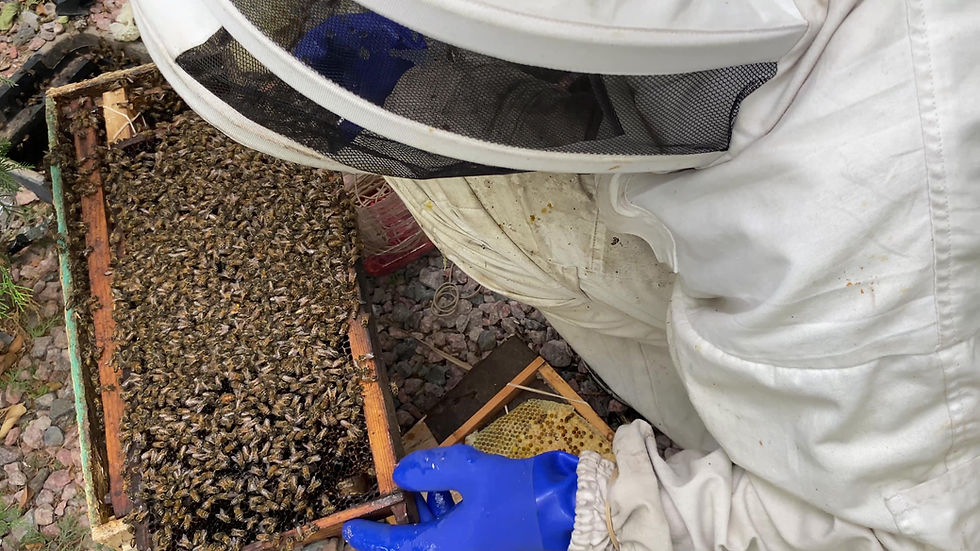
Special Case: Trap-Outs
When direct hive access is too destructive, specialists use trap-outs:
A one-way exit device is installed at the hive entrance
Bees can leave but cannot re-enter
A hive box with brood frames is placed nearby
Over several weeks, the colony relocates to the new box
While trap-outs take longer (4-6 weeks), they save the colony without major structural demolition.
When Extermination Might Be Considered
While this guide advocates for live removal, honesty requires acknowledging that extermination might be the only option in certain circumstances:
Legitimate Reasons for Extermination
Severe Allergies: If household members have life-threatening bee sting allergies and live removal cannot be scheduled quickly enough.
Immediate Danger: In rare cases where an aggressive colony poses imminent threat to children, elderly individuals, or pets.
Economic Hardship: If live removal costs genuinely exceed a homeowner's financial capacity.
If You Must Exterminate
If circumstances absolutely require extermination:
Insist on complete hive removal within days of extermination
Have the cavity thoroughly cleaned of all wax, honey, and pheromones
Seal entry points immediately to prevent robber bees
Use the least toxic method possible
Hire professionals for both extermination and cleanup

Finding a Qualified Las Vegas Bee Removal Specialist
Not all "bee removal" services are created equal. Here's how to find someone trustworthy:
Questions to Ask Before Hiring
"Do you perform live removals or extermination?" Get a clear, direct answer.
"What happens to the bees after removal?" Legitimate specialists should explain where bees go—their own apiary, a partner beekeeper's property in the Las Vegas area, or a specific relocation site.
"Can you provide references from recent customers?" Reputable specialists will happily connect you with previous Las Vegas-area clients.
"Are you a beekeeper or do you work with beekeepers?" The best bee removal specialists are experienced beekeepers.
"What does your quote include?" Ensure you understand whether the price covers removal, cleanup, repairs, and relocation, or if there are additional charges.
Where to Find Qualified Las Vegas Specialists
Check Google and Yelp and read the reviews. The reviews will have info about how the companies operate and if they exterminate or rescue the bees.
Myths and Misconceptions About Bee Removal
Myth: "Africanized bees can't be saved"
Reality: Most bees in Las Vegas and Southern Nevada are Africanized, and professionals successfully relocate them daily. They can be relocated and even "rehabilitated" through requeening.
Myth: "Beekeepers should remove bees for free because they're getting free bees"
Reality: Bee removal is skilled, time-intensive labor requiring specialized equipment. The "free bees" don't cover 3-5 hours of labor (often at night), equipment costs, or expertise.
Myth: "You can scare bees away with fake wasp nests"
Reality: Honeybees establish permanent colonies and won't abandon them due to paper bags or other internet remedies.
Myth: "Sealing the entrance will make them leave"
Reality: Sealing the entrance while bees are inside often causes them to find new exits inside your home, or die in your walls, creating the exact problems described earlier.
Making Your Decision
Choose Live Removal If:
You have time to schedule a proper removal
You can afford the higher upfront cost
No household members have severe bee sting allergies
You care about environmental impact
You want to avoid property damage from dead hives in Las Vegas heat
The colony is accessible for live removal

Consider Extermination Only If:
Someone in the home has life-threatening allergies
The colony poses immediate danger
You've genuinely exhausted all live removal options due to cost
Important: If you must exterminate, budget for complete hive removal and cleanup, not just spraying.
Next Steps for Las Vegas Homeowners
If you're currently dealing with a bee problem:
Don't panic: Avoid disturbing the bees while you research solutions
Document the situation: Note when bees appeared and where they're entering
Research local specialists: Start with Google and Yelp searches.
Get multiple quotes: Contact at least three services
Verify credentials: Ask for references and check reviews
Schedule promptly: Colonies grow quickly, especially in Las Vegas's warm climate

Your Choice Makes a Difference
The decision between pest control extermination and live bee relocation isn't just about solving your immediate problem, it's about the kind of solution you choose to create.
Extermination might seem simpler initially, but it often leads to property damage (especially in Las Vegas heat), environmental harm, and ongoing costs that make it the more expensive choice long-term.
Live bee removal requires more patience and a higher upfront investment, but it protects your property, preserves essential pollinators, and contributes to environmental sustainability in the Las Vegas Valley.
It's the choice that benefits everyone: you, the bees, your neighbors, local gardens and agriculture, and the desert ecosystem we all depend on.
When faced with bees in your Las Vegas home, remember: these aren't pests invading your space, they're valuable pollinators who happened to choose an inconvenient location.
With the right specialist, you can solve your problem while giving the bees a chance to continue living in our Valley.
The choice is yours, but now you have the information to make it wisely.
Betsy & Pete
🐝Las Vegas’s All-Natural Live Bee Removal Team
About Us: The Authors

We’re Betsy and Pete - Beekeepers on a Mission in Las Vegas
We’re not just in the bee business, we’re in the bee-saving business. Trained by a master beekeeper and backed by hundreds of successful removals, we are dedicated to rescuing and relocating honey bees with care and precision.
Every swarm we save and every hive we manage reflects our deep love for the bees.
At our Joshua Tree Preserve in Arizona, we care for dozens of thriving hives. Some wild, some honey-bearing, and all are part of our commitment to ethical, sustainable beekeeping.
Why Vegas Bees? Because We Never Stop Learning or Caring
Beekeeping is always evolving, and so are we. We stay on the cutting edge by continuing our education, connecting with fellow beekeepers, and refining our beekeeping practices and techniques to ensure the best outcomes for both bees and people.
Whether it’s advanced bee removal strategies or the latest natural methods, we’re always one step ahead.
We’re also proud to support the beekeeping community with high-quality beekeeping supplies for everyone. If you’re ready to suit up and start your journey, we’ve got what you need.


